
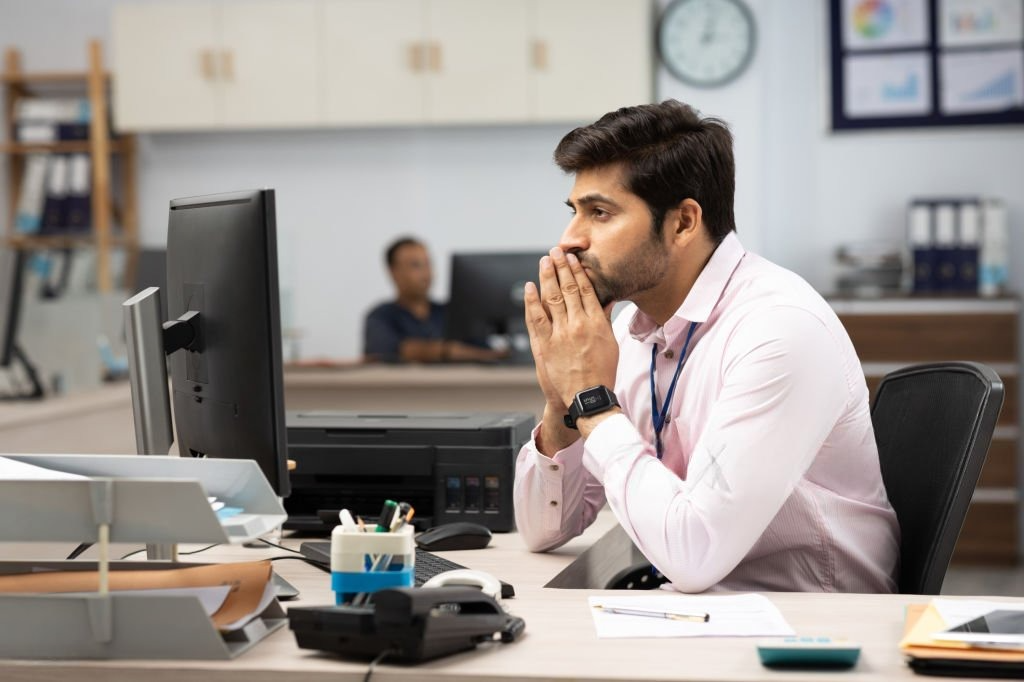

The IT industry, while intellectually rewarding, presents unique health challenges for employees working standard 9-to-5 shifts. Sedentary work, continuous screen exposure, and high stress often lead to physical and mental health problems. This blog explores these issues in detail and provides actionable tips for maintaining a healthy work-life balance.
Physical Health Issues
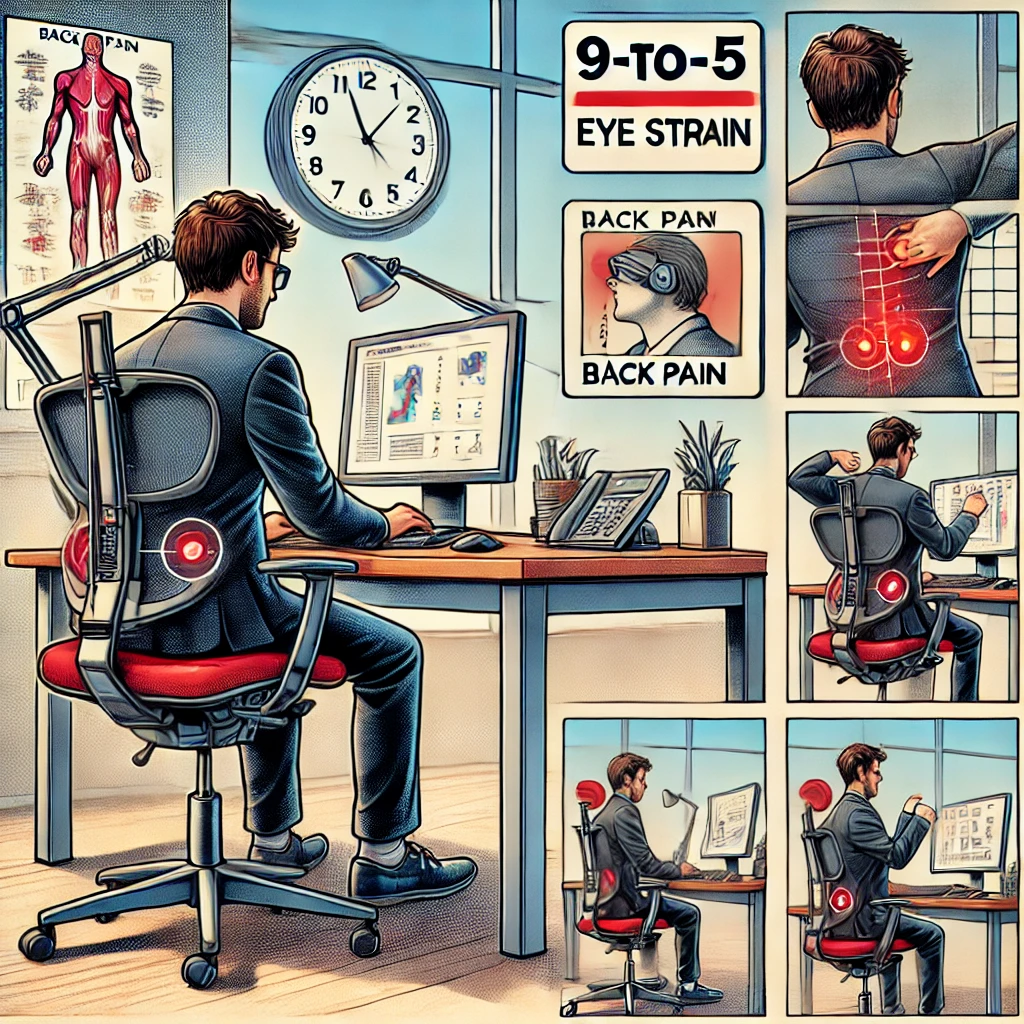
One of the most significant health concerns is musculoskeletal disorders (MSDs). Hours of sitting at a desk, often with improper posture, result in back pain, neck strain, and shoulder discomfort. Ergonomic issues, such as improperly set-up chairs or desks, further aggravate these problems. Using ergonomic office equipment, maintaining proper posture, and taking breaks to stretch can significantly reduce these risks.
Another common issue is Computer Vision Syndrome, or eye strain, which manifests as dry eyes, blurred vision, and headaches. Prolonged screen exposure, coupled with poor lighting, exacerbates these symptoms. Practicing the 20-20-20 rule—looking away from the screen every 20 minutes for 20 seconds at an object 20 feet away—can help alleviate eye strain.
A sedentary lifestyle also poses significant health risks. Prolonged sitting contributes to obesity, cardiovascular diseases, and diabetes. Incorporating physical activities into daily routines, such as walking meetings or standing desks, is essential for combating these effects. Maintaining a balanced diet with plenty of fruits, vegetables, and whole grains is also crucial for overall health.
Mental Health Challenges
Work-related stress is a prevalent issue in IT jobs, driven by tight deadlines and demanding projects. Employees often feel overwhelmed, leading to anxiety, fatigue, and irritability. Developing time management skills, practicing mindfulness, and seeking support from colleagues or counselors can help manage stress effectively.
Burnout is another critical concern, characterized by emotional exhaustion and reduced performance. Taking regular breaks and scheduling time for hobbies or relaxation can help employees recover and prevent burnout.
Social isolation, especially with the rise of remote work, can lead to feelings of loneliness and disconnection. Participating in team-building activities and workplace communities can foster a sense of belonging and camaraderie.
Lifestyle Adjustments
Poor lifestyle choices further aggravate health risks. Irregular sleep patterns, often caused by late-night work or stress, lead to chronic fatigue and poor productivity. Maintaining a consistent sleep schedule and creating a calming bedtime routine can improve sleep quality.
Nutritional habits, such as over-reliance on fast food and sugary beverages, contribute to weight gain and energy crashes. Preparing healthy meals and staying hydrated throughout the day can promote better health.
Substance use, such as smoking or excessive caffeine consumption, is often a coping mechanism for stress but can lead to dependency and long-term health issues. Engaging in physical activities or relaxation techniques offers healthier alternatives.
Employers’ Role in Wellness
Employers play a crucial role in fostering a healthy work environment. Providing ergonomic furniture, ensuring well-lit and ventilated office spaces, and implementing regular break policies can significantly improve employee well-being. Wellness programs, such as gym memberships or yoga sessions, further promote physical and mental health.
Encouraging open communication about mental health and offering flexible work hours can enhance work-life balance, reducing stress and improving productivity.
“Self-care is not selfish. You cannot serve from an empty vessel.”
– Eleanor Brown

Practicals Tips for IT Employees
- Use ergonomic chairs and adjust monitors to eye level to maintain proper posture.
- Take short breaks every hour to stretch and move around.
- Follow the 20-20-20 rule to reduce eye strain. Stay hydrated and opt for healthy snacks.
- Schedule regular health checkups to monitor physical and mental well-being.
- Practice relaxation techniques, such as deep breathing or meditation.
Conclusion
The challenges faced by IT employees in 9-to-5 roles are multifaceted but manageable with awareness and proactive measures. By prioritizing physical activity, mental health, and a supportive workplace environment, both employees and organizations can create a sustainable and productive work culture.